
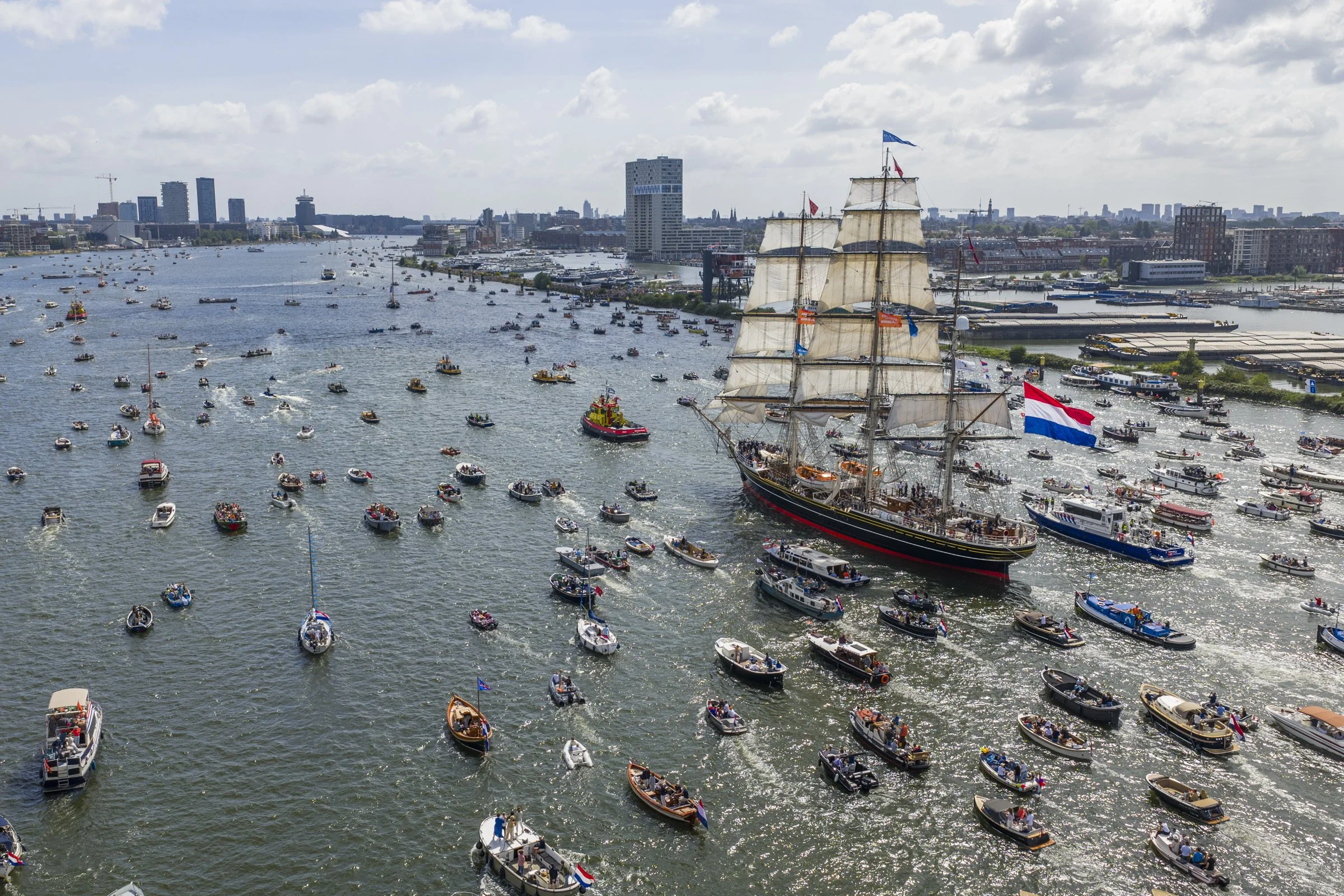
Port of amsterdam
Drone operations, film production & photography
Where urban proximity meets heavy-lift operations. PortSide Media navigates Amsterdam's complex airspace to document terminal operations, shipyard construction, offshore staging and all sorts of loading and transportation procedures in Europe's fourth-largest port.
OPERATIONAL CONTEXT
Complexity Meets Opportunity
The Port of Amsterdam presents unique challenges—and opportunities—that set it apart from other European ports. Stretching from the city center to the North Sea Canal and IJmuiden, the port operates in one of Europe's most complex airspace environments, with Schiphol Airport's controlled zones overlapping significant portions of port territory.
This complexity means most drone operators cannot legally work here. Portside Media's EASA Specific Category certification allows us to operate where others cannot—coordinating with air traffic control, navigating CTR restrictions, and working within the operational constraints that define Amsterdam's maritime environment.
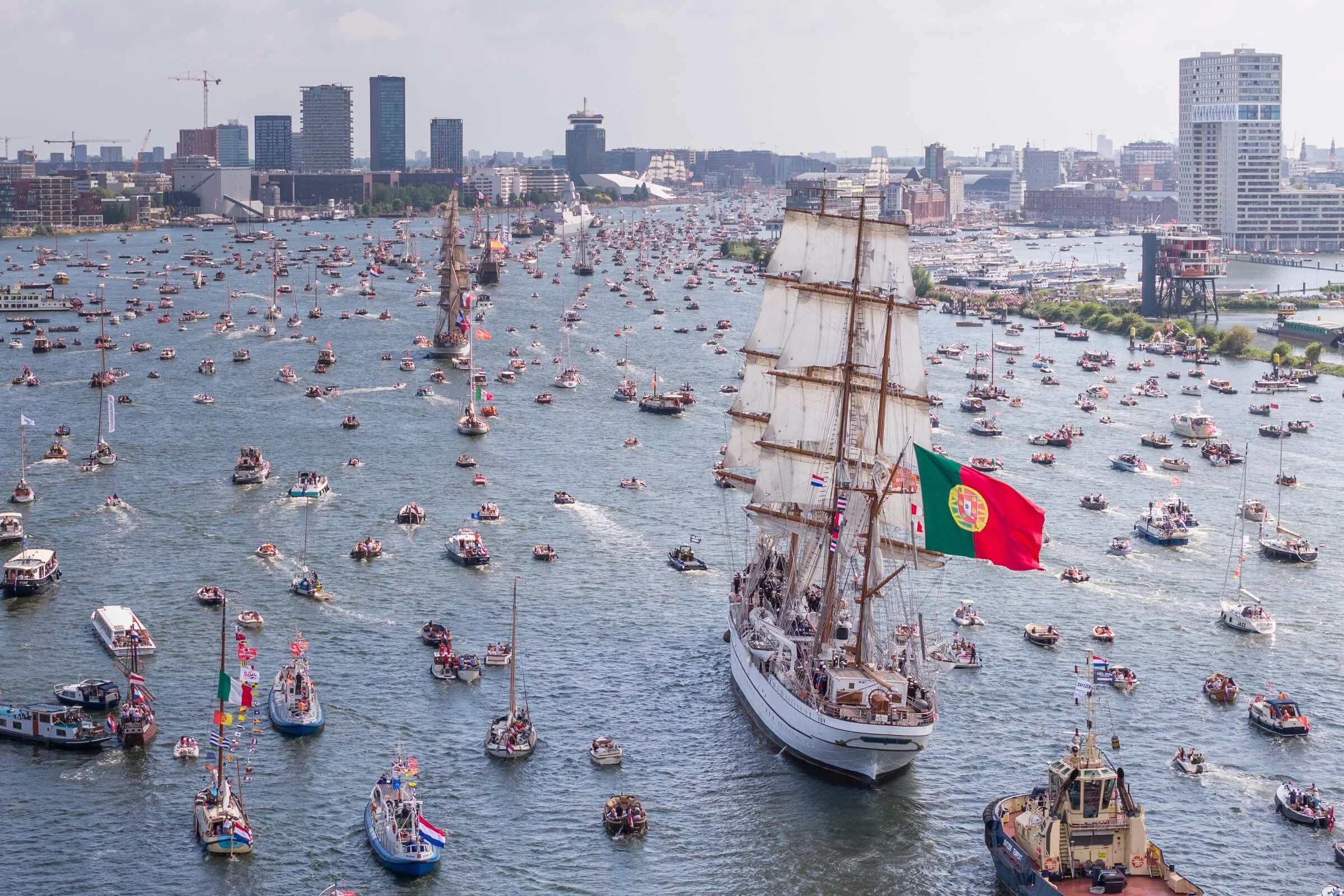
Beyond airspace, Amsterdam offers something visually distinctive: active port operations set against the famous city centre. Shipyards with the city skyline as backdrop. This proximity creates compelling visual context — and operational challenges we're experienced in managing.
OUR AMSTERDAM EXPERIENCE
From City Terminals to North Sea Access
Portside Media operates regularly throughout the Port of Amsterdam area, covering:
Heavy-lift operations – Specialized cargo handling, oversized loads, project cargo for offshore and industrial projects
Shipyard construction – New builds, conversions, dry-dock operations across Amsterdam's yard facilities
Offshore staging – Wind farm components, subsea equipment, vessel preparation for North Sea operations
Terminal operations – Container handling, bulk cargo, liquid cargo facilities
Marine construction – Dredging, infrastructure development, facility expansion
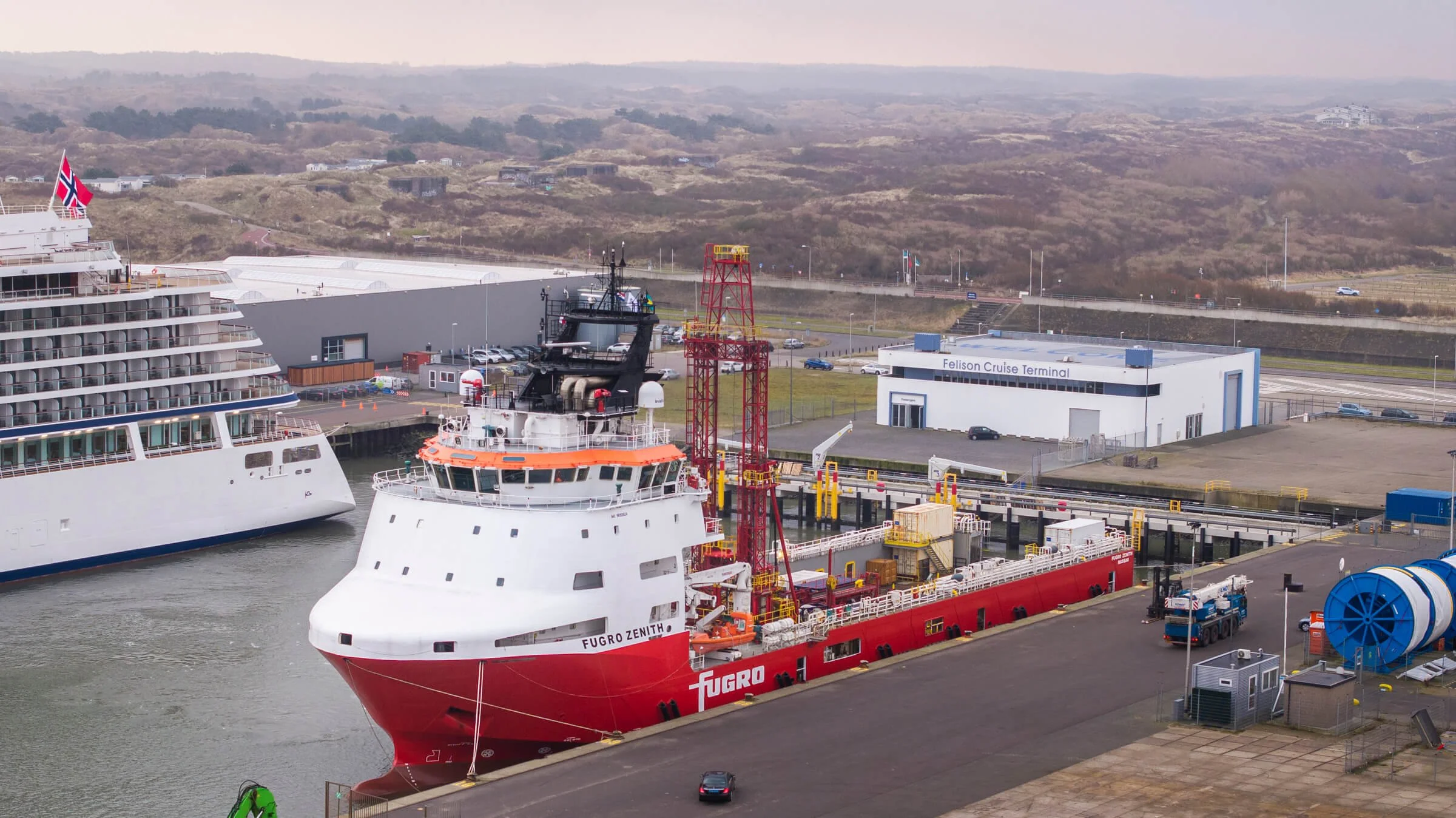
Cruise operations – Passenger vessel documentation, terminal operations near city center
Vessel movements – Canal transits, locks operations, berthing and departure sequences
Our experience spans the port's full geographic range—from the urban terminals near the city center to the industrial zones along the North Sea Canal, and the offshore access points at IJmuiden.
SERVICES FOR AMSTERDAM OPERATIONS
What We Document
Heavy-Lift & Specialized Cargo:
Project cargo handling and transport
Oversized load documentation
Crane operations and rigging
Offshore equipment staging and loading
Shipyard & Marine Construction:
Vessel construction and conversion
Dry-dock operations and repairs
Sea trials and delivery documentation
Yard facility expansion and upgrades
Offshore Operations:
Wind farm component logistics
Vessel mobilization for North Sea operations
Subsea equipment handling
Offshore platform support activities
Terminal & Infrastructure:
Container and bulk cargo operations
Facility expansion and modernization
Dredging and channel maintenance
Lock operations and canal management
Urban Port Interface:
Cruise vessel operations near city center
Visual documentation showcasing port-city integration
Corporate communications leveraging Amsterdam's distinctive setting
NAVIGATING AMSTERDAM'S AIRSPACE
Certified for Schiphol's Controlled Zones
Amsterdam's port operates largely within Schiphol Airport's CTR (Controlled Traffic Region), making it inaccessible to most drone operators. Portside Media holds EASA Specific Category certification, allowing us to:
Operate within Schiphol's controlled airspace zones
Coordinate with air traffic control for flight clearances
Work in proximity to helicopter routes and approach paths
Navigate the complex airspace that overlaps port operations
We also coordinate directly with Port of Amsterdam Authority for permissions on port property, ensuring compliance with both aviation and port-specific regulations.
Airspace Reality: Some port locations require real-time ATC coordination. Others can be pre-cleared. We manage this complexity so clients don't have to navigate it themselves.
Typical approval timeline: 2-3 business days for standard operations in controlled zones.
WHY OPERATIONAL FLUENCY MATTERS IN AMSTERDAM
Urban Proximity Demands Precision
Amsterdam's port doesn't operate in isolation. Residential areas border shipyards. Cycling paths run alongside cargo terminals. Urban visibility means operations are watched—and documented operations need to be managed with that awareness.
Our approach accounts for this:
Discreet operations positioning – We stage and operate to minimize visibility to non-operational areas while maximizing coverage of your operations
Noise management – We coordinate flight paths and timing to reduce impact on adjacent residential zones when possible
Safety protocol adherence – Working near urban interfaces means heightened safety awareness and coordination with port security and HSE teams
Terminal coordination – Amsterdam's yards and terminals operate on tight schedules; we integrate into those workflows without disruption
This operational awareness extends to understanding Amsterdam's tidal and lock scheduling constraints—factors that affect vessel movements and operational windows throughout the port.
WORKING WITH PORTSIDE MEDIA IN AMSTERDAM
What to Expect
Initial Discussion:
Project scope and visual objectives
Airspace and operational constraints assessment
Timeline and scheduling requirements
Deliverable formats and post-production needs
Pre-Production:
Airspace clearance coordination (ATC if required)
Port authority and terminal permissions
Safety protocol review and site-specific requirements
Weather and tidal window planning (for canal/lock operations)
On-Site Operations:
Safety briefing and protocol adherence
Coordination with terminal and yard operations
Real-time communication with your team
Minimal disruption positioning and discrete operations
Post-Production & Delivery:
Editing and grading to your specifications
Format delivery for web, broadcast, presentations, or archival use
Standard turnaround: 3-5 business days
Expedited delivery available when required
FAQs
5
Can drones fly near Schiphol Airport and Port of Amsterdam?
1
Yes, but only with EASA Specific Category certification and advance coordination with Schiphol air traffic control. Port of Amsterdam operates within Amsterdam CTR (Controlled Traffic Region), which overlaps directly with Schiphol Airport airspace—one of Europe's busiest aviation hubs. Portside Media holds authorization for Amsterdam CTR operations and coordinates each flight with Schiphol Tower, Amsterdam Port Authority, and relevant facility operators. The proximity to Schiphol means strict altitude restrictions (typically ground to 400 feet), real-time communication requirements, and potential flight holds during peak airport operations. Standard Open Category drone operators cannot operate in this highly controlled airspace.
6
How close is Port of Amsterdam to Schiphol Airport airspace?
2
Can you film vessels at NDSM or Amsterdam harbor?
Port of Amsterdam facilities sit directly under or adjacent to Schiphol CTR approach and departure corridors. Amsterdam's IJ harbor, NDSM shipyard, and western port terminals operate within 5-15 kilometers of Schiphol runways. This proximity means commercial aircraft pass overhead at low altitudes during approach and departure sequences. All drone operations require real-time coordination with Schiphol ATC to avoid conflicts with commercial aviation. Portside Media maintains established communication protocols with Schiphol authorities and monitors live air traffic to ensure safe separation. This operational complexity is why Amsterdam port drone filming requires specialized certification and experience beyond standard maritime operations.
Which Port of Amsterdam locations can drones access?
3
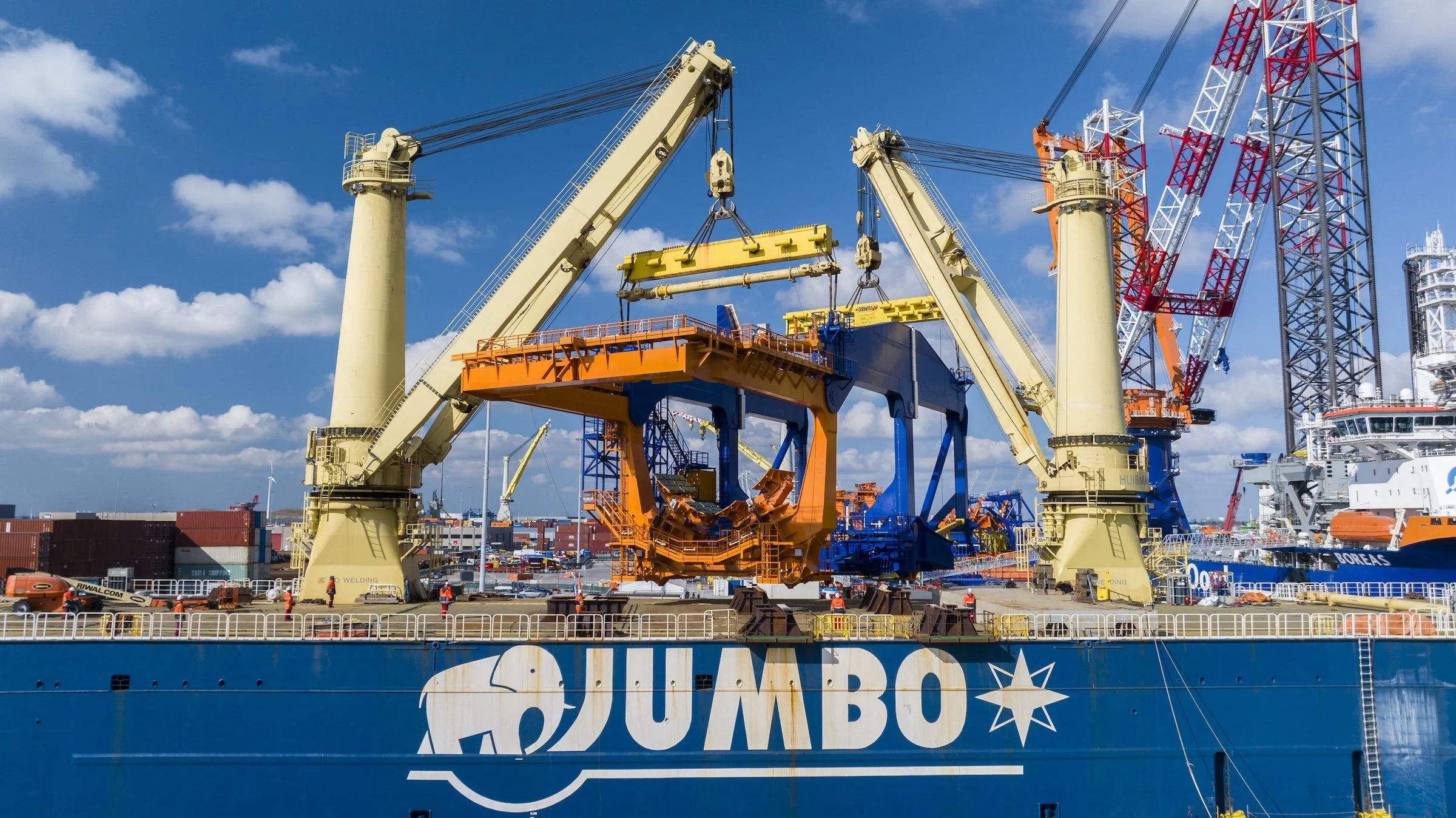
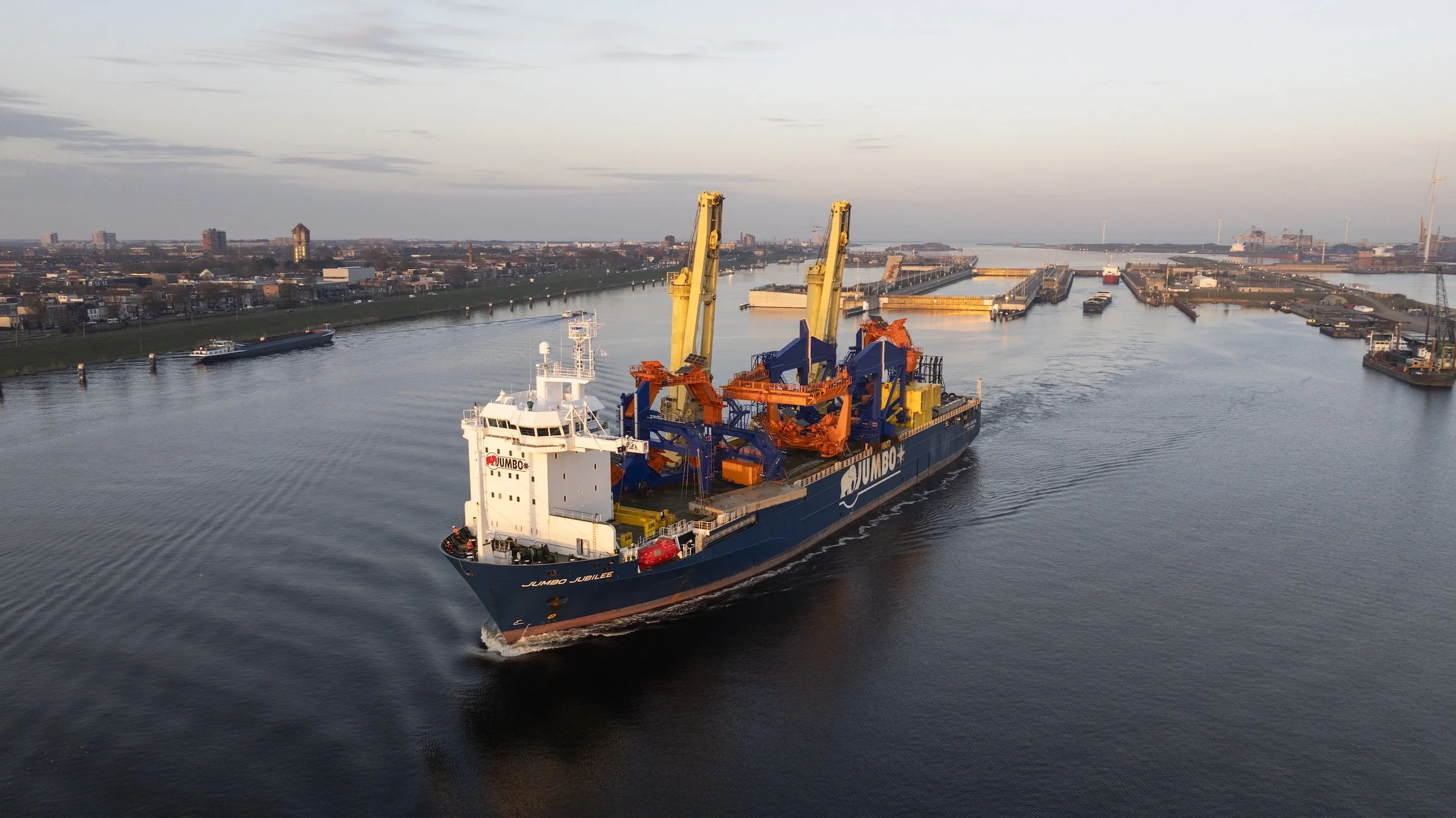
Portside Media operates across Port of Amsterdam facilities including IJ harbor (city center), NDSM shipyard, Westpoort industrial terminals, Coenhaven, and IJmuiden offshore approaches. Each location has specific airspace considerations: IJ harbor sits under Schiphol approach paths requiring strict altitude limits, NDSM shipyard operations need coordination with active vessel traffic and facility security, Westpoort terminals involve terminal operator approvals and cargo handling safety zones, and IJmuiden operations transition between Amsterdam CTR and North Sea airspace. We've completed projects at Amsterdam locations for clients including Jumbo Maritime (heavy-lift documentation), Damen facilities, and various terminal operations—each requiring tailored airspace coordination based on location proximity to Schiphol operations.
Yes, Portside Media regularly documents vessel operations, shipyard activities, and harbor operations across Port of Amsterdam locations. NDSM shipyard filming requires coordination with shipyard management, vessel operators, and Amsterdam harbor master services. IJ harbor operations involve positioning around active ferry routes, passenger vessel traffic, and historic vessel berths while maintaining Schiphol airspace compliance. We've documented heavy-lift vessel arrivals at Amsterdam (Jumbo Jubilee project), cruise ship operations, and various shipyard construction activities. All operations maintain safe distances from navigation channels, respect harbor traffic patterns, and coordinate real-time with vessel traffic services while operating under Schiphol ATC oversight.
Amsterdam's unique challenge is the overlap between major commercial port operations and Schiphol Airport—Europe's third-busiest airport with 500,000+ aircraft movements annually. Drone operations must simultaneously navigate port authority regulations, Schiphol air traffic control requirements, and facility security protocols. This requires real-time monitoring of aircraft movements, dynamic altitude adjustments based on traffic patterns, and immediate response to ATC instructions. Weather conditions affecting Schiphol operations (low visibility, crosswinds) also impact drone clearances. Portside Media's experience operating in this complex environment means we understand both maritime operational timing and aviation coordination requirements—essential for successful Amsterdam port documentation without operational delays or safety conflicts.
How long does Amsterdam CTR drone clearance take?
4
What makes Amsterdam drone filming more complex than other ports?
Amsterdam CTR authorization typically requires 2-3 business days due to Schiphol Airport coordination requirements. The approval process involves flight plan submission to Schiphol ATC, coordination with Port of Amsterdam Authority, and facility access arrangements. Schiphol's status as a major international hub means air traffic controllers prioritise commercial aviation safety, requiring thorough advance planning for drone operations. Rush projects can sometimes be accommodated with 2 days notice depending on proposed flight location, altitude requirements, and Schiphol traffic patterns. Portside Media's established authorization and Schiphol coordination experience helps expedite clearance timelines compared to first-time operators.
RELATED PROJECTS
Ready to Document Your Amsterdam Operations?
From heavy-lift operations to shipyard construction, offshore staging to urban terminal work—PortSide Media brings the airspace clearance, operational experience, and local knowledge to deliver in Amsterdam's complex environment.